

Decentralized science will bring the brain onchain
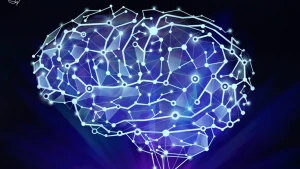
 Decentralized Science (DeSci) offers a solution to the autonomy risks posed by centralized brain-computer interfaces by keeping brain data under individual control.
Summary
The advent of brain-computer interface (BCI) technology, exemplified by Neuralink, raises profound ethical concerns when a single, centralized company controls access to a person's mind and neural data. The author argues that centralization poses a direct threat to fundamental human autonomy and freedom. Decentralized Science (DeSci) is presented as the necessary alternative, treating neuroscience as a shared public mission. Bringing the brain "onchain" involves using decentralized infrastructure to translate neural signals into secure, verifiable digital data that remains entirely under the individual's control, ensuring mental freedom even while operating software via thought. Brain data is described as the most intimate information possible, predicting behavior and feelings, making its centralization a contradiction of human existence. Decentralization distributes power, prevents unilateral access by any single actor, and ensures pluralism in application development, unlike centralized models where a corporation dictates data use, potentially risking mental interference if hacked. The future of BCIs depends on collaboratively designed, decentralized protocols that ensure compatibility, privacy, and collective governance.
(Source:Cointelegraph)